

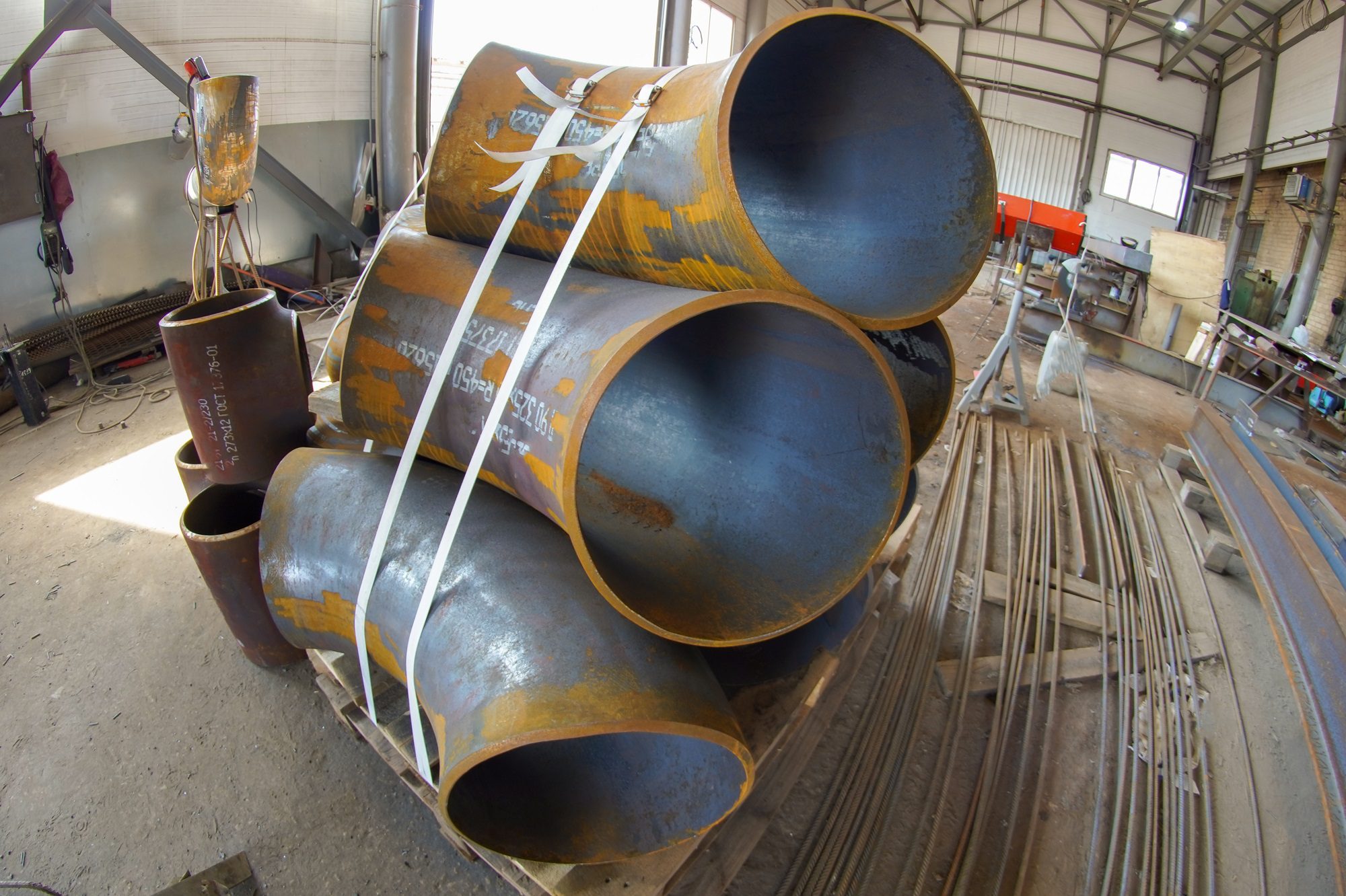

Industrial plants rely on thousands of interconnected pipes to safely and efficiently transport fluids, gases, steam, and chemicals. In today’s fast-evolving engineering environment, precision pipe fabrication is a key factor in plant reliability, safety, and long-term performance.
From oil & gas facilities to power stations, manufacturing plants, and water treatment systems, the accuracy and quality of fabricated piping can determine operational success or failure.
What Is Precision Pipe Fabrication?
Precision pipe fabrication is the controlled manufacturing and installation of industrial piping systems using accurate measurements, advanced tools, and industry-approved techniques.
It includes:
- Pipe cutting, bending, and forming
- Welding and joint preparation
- Pipe routing and layout design
- Quality testing and pressure checks
- Material selection and certification
When executed correctly, it ensures a plant’s piping network operates safely under varying pressures, temperatures, and environmental conditions.
Key Benefits of Precision Pipe Fabrication
1. Enhanced Safety
Industrial environments are high-risk. Incorrect welding, misalignment, or improper pipe selection can lead to leaks, pressure failures, or fires. Precision fabrication ensures every connection meets safety standards, reducing hazards.
2. Improved Operational Efficiency
Well-fabricated pipes fit perfectly during installation, reducing on-site adjustments and minimising downtime. This ensures efficient flow systems and higher plant uptime.
3. Longer Equipment Life
Misaligned or poorly fabricated pipes can stress equipment, leading to corrosion or fatigue. Precision fabrication increases the lifespan of piping systems and associated equipment.
4. Reduced Maintenance Costs
Correct welding, proper alignment, and quality materials mean fewer failures and reduced long-term maintenance expenses.
Applications Across Industrial Sectors
Precision pipe fabrication plays a major role in:
- Oil & gas facilities
- Petrochemical plants
- Manufacturing facilities
- Water and wastewater treatment plants
- Power generation stations
- Food processing industries
- HVAC and refrigeration systems
In all these sectors, reliable piping systems are essential for safe and efficient operations.
Modern Trends in Pipe Fabrication
Today’s leading industrial contractors adopt:
- 3D modelling and CAD design
- Laser-guided measurement systems
- Automated and precision welding technology
- Non-destructive testing (NDT)
- Advanced anti-corrosion materials and coatings
These innovations ensure higher accuracy, durability, and performance.
Conclusion
Precision pipe fabrication is more than a technical requirement; it is the foundation of safe, efficient, and reliable industrial operations. As industries advance, the demand for accurate fabrication, experienced engineering, and certified quality control continues to grow.
When your piping systems are built correctly, your operations run smoothly, safely, and efficiently.